
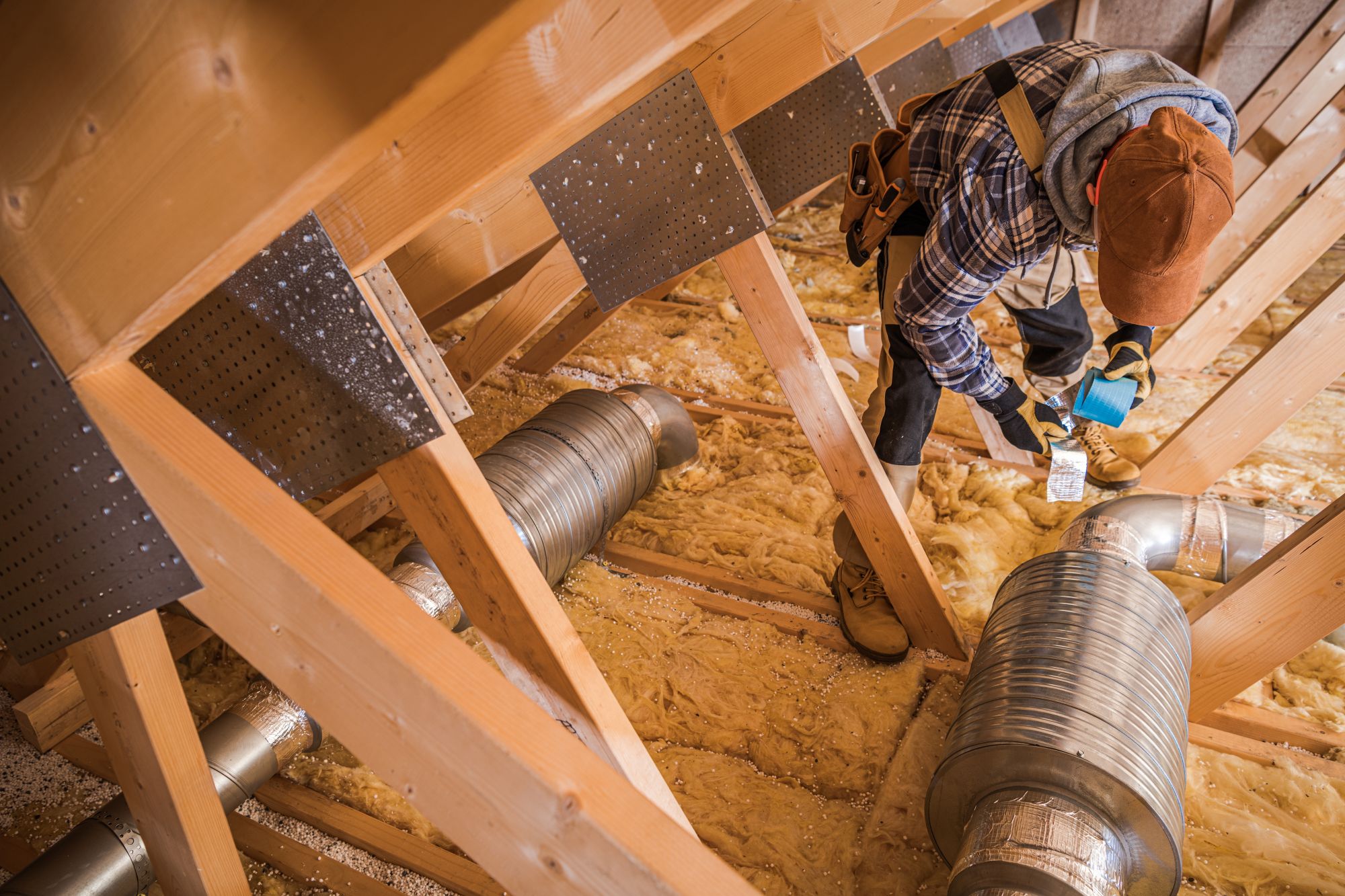
Insulation Removal
Old or damaged insulation can reduce energy efficiency, trap moisture, cause odours, and even affect health. In some cases removal of insulation is necessary before installing new insulation or doing renovation work.
This article explains when removal makes sense, what the steps are, and what to watch out for
When Insulation Needs Removal
There are several reasons why insulation may no longer be fit for purpose and should be removed:
- Insulation is wet or damp, often from leaks or poor ventilation. Moisture damages insulation, reduces its insulating ability, and can cause mould.
- Insulation has been compressed or flattened, which lowers its performance.
- Evidence of pest or rodent infestation (droppings, nests etc.)
- Musty or unpleasant odours in ceilings or roof spaces.
- Visible deterioration: insulation materials become soiled, mouldy, breaking down or contaminated.
- Older types of insulation that may be unsafe or inefficient, such as old blown‑in material (e.g. Insulfluf) that has degraded.
Before You Remove Old Insulation
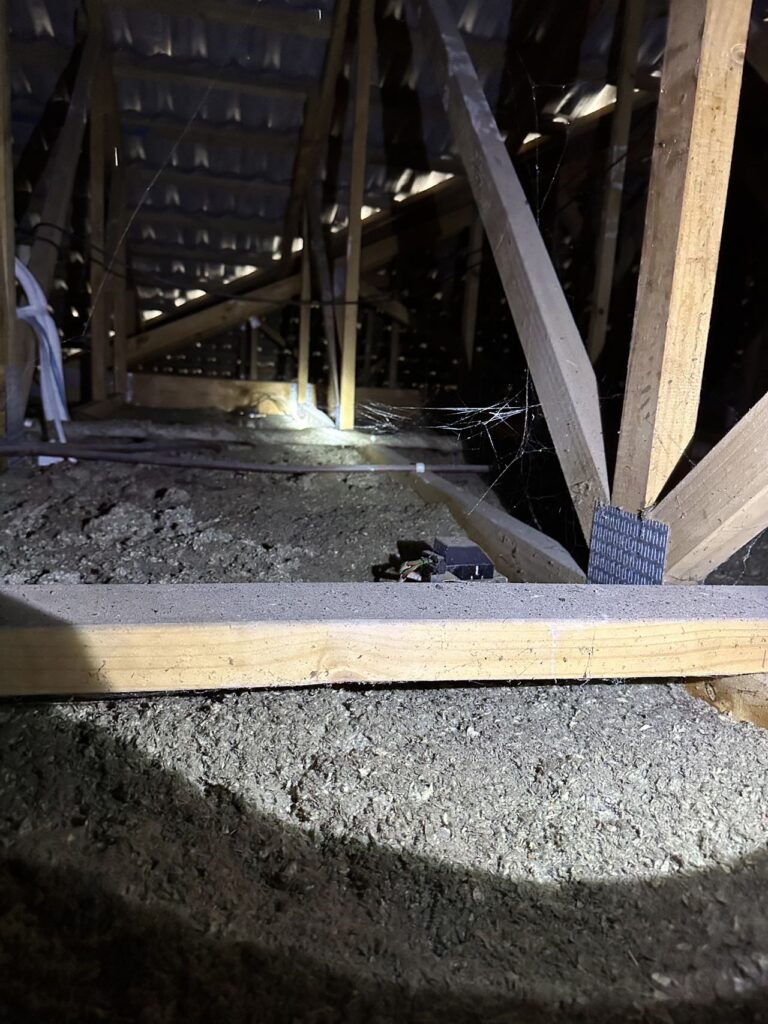
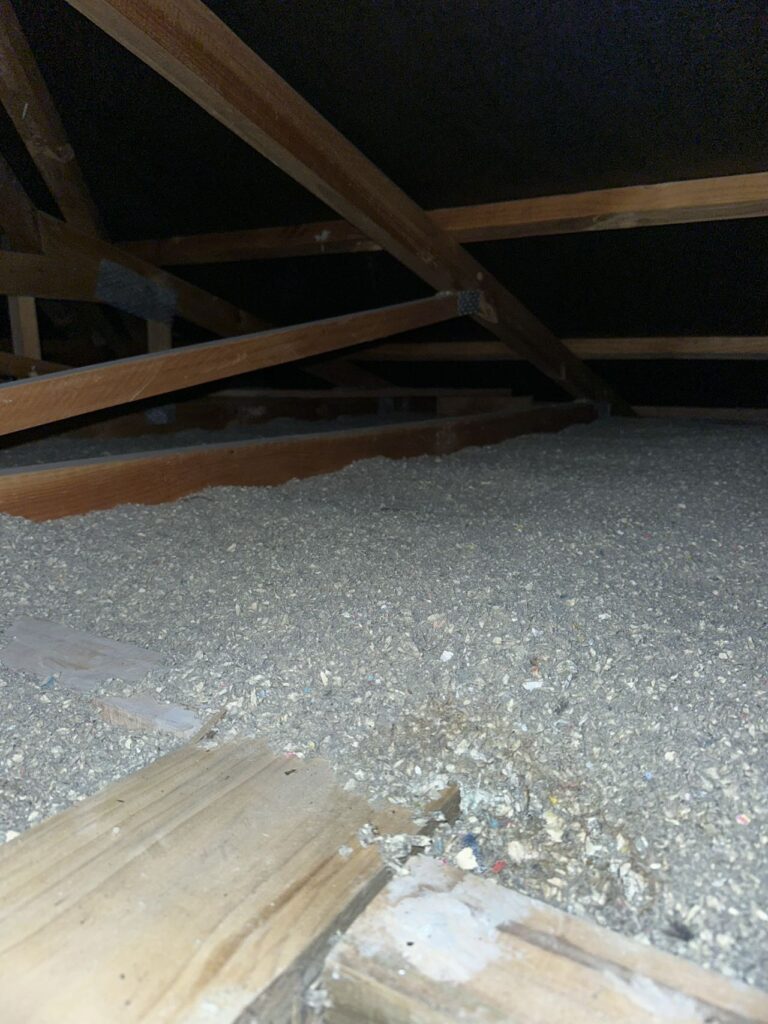
Prior to removal, there are preparatory steps to ensure safety, reduce mess, and avoid damage:
- Inspection and assessment
Identify what kind of insulation is present, its condition, extent of damage, and whether it might contain hazardous materials. Products like Insulfluf, cellulose, fibreglass, polystyrene board or chip may all need removal under certain conditions.
- Check moisture content
Especially for subfloor or roof cavities: ensure timber or structural elements are dry. Moisture levels above safe thresholds (e.g. ~20%) may cause ongoing issues if new insulation placed over damp structures.
- Protect surrounding areas
Use covers or sheeting to protect floor, walls, furniture from dust and debris. Seal off work zones where possible to prevent insulation dust spreading to other parts of the house.
- Safety gear
Wear protective clothing (long sleeves, gloves), eye protection, respirators/masks. If dealing with suspect materials (old insulation, mould, or possible asbestos), professional handling is strongly advised
- Ventilation
Provide airflow to reduce dust and airborne particles. Open access hatches or windows where possible. This will aid both during removal and to dry out any damp timbers before new insulation is installed.
Removal Process
Here are typical steps during the removal of old insulation:
- If insulation is loose‑filled or blown‑in, use vacuum extraction equipment to suck out material.
- For batt, blanket or board insulation, hand removal may be needed. Cut or pull out sections carefully; roll or fold panels for disposal.
- Remove debris and damaged insulation fully; do not leave fragments that trap moisture or allow mould or pests to persist.
- Check structure (timber, ceiling sheeting, flooring) after removal for damage, moisture, rot or pest signs.
Disposal and Replacement
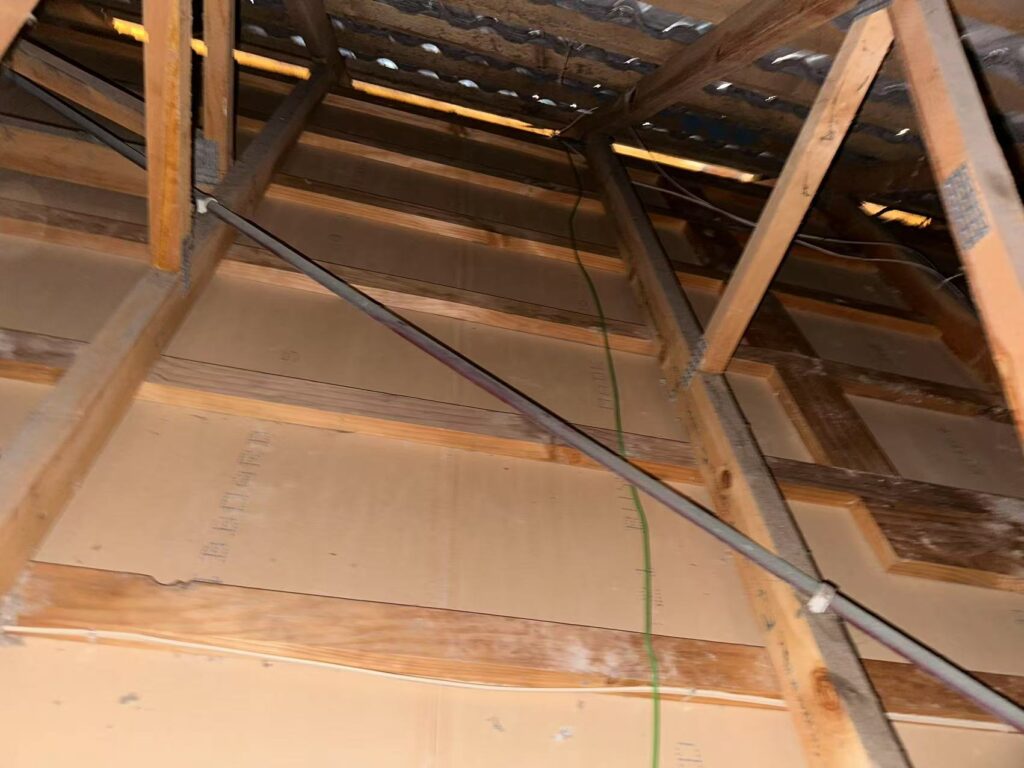
After removal, how you deal with the old insulation and prepare for new insulation:
- Bag and seal removed insulation carefully to minimise dust or contamination spread.
- Dispose of materials in accordance with local waste regulations. Some insulation materials contaminated with pests or mould may require special disposal.
- Allow sufficient drying time for structural elements if moisture was present before installing new insulation. Wood must reach safe moisture levels.
- When installing new insulation, make sure it’s the appropriate type, installed to meet required R‑values, fitted without gaps, and doesn’t trap moisture.
Risks of Poor Removal
If removal is done improperly or skipped when necessary, problems can follow:
- Reduced energy efficiency continuing due to ineffective insulation
- Health issues: mould, allergens, dust, pest contamination
- Odours lingering or worsening
- Structural damage to timber or ceiling/floor sheathing
- Fire risk or electrical issues if insulation has come into contact with wiring or overheated components
Should You Hire A Professional?
Many times yes. If any of the following apply, professional insulation removal is recommended:
- Large areas or hard‑to‑reach spaces
- Signs of mould, asbestos, pests
- Insulation that is loose‑fill and requires vacuum extraction equipment
- When disposal regulations or safety concerns are complex
We bring experience, safer equipment, better containment, proper disposal, and can ensure the job is done thoroughly.
Insulation removal is a necessary step when old insulation is wet, damaged, contaminated, compressed, or otherwise ineffective. Before removal, inspect, prepare, ventilate, and protect.
The removal must be done safely, followed by proper disposal and installing new insulation under dry, clean conditions. For landlords and renovators in New Zealand, doing this properly protects health, improves energy efficiency, and ensures compliance with good practice.
With years of expertise and a commitment to quality, Panda Solutions makes the entire process seamless — from old insulation removal to new installation. Contact us today for a free quote.