
Heat pumps are one of the most efficient ways to heat and cool a home. They provide fast, reliable temperature control and can help reduce long term energy use when they are selected, installed and used correctly.
Unlike traditional electric heaters, which create heat directly, heat pumps move heat from one place to another. This is what makes them so efficient. A well chosen heat pump can deliver several times more heat energy than the electricity it uses to operate.
This guide explains how heat pumps work, what makes them efficient and why proper installation is essential for long term performance.
What Is a Heat Pump?
A heat pump is an electric heating and cooling system. It is commonly used to warm living areas in winter and cool rooms during warmer months.
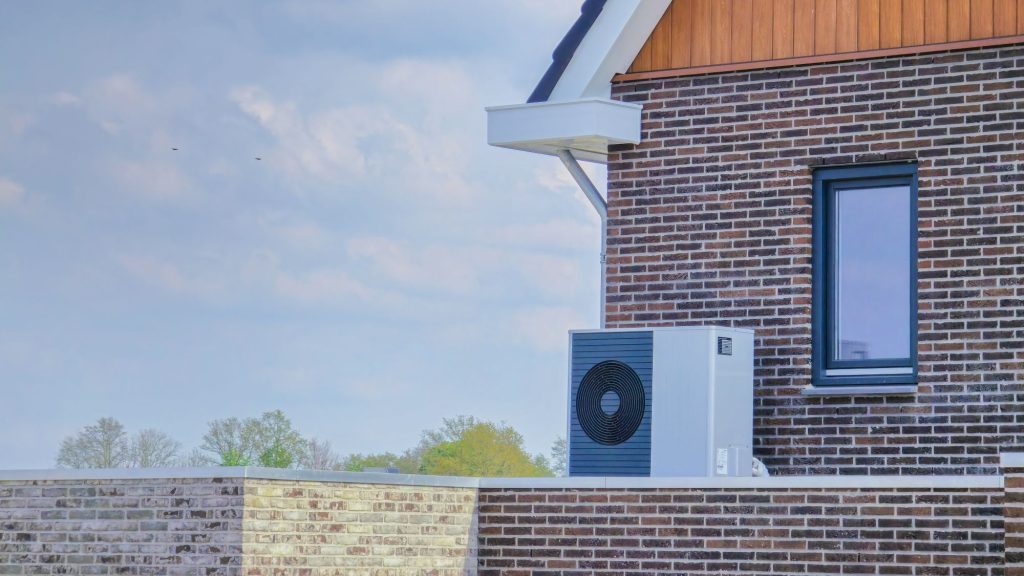
Most residential heat pumps are split systems. This means they have an outdoor unit and an indoor unit connected by refrigerant pipes and electrical wiring. The outdoor unit contains key components such as the compressor, while the indoor unit circulates conditioned air through the room.
Heat pumps are also available as multi-split systems or ducted systems, depending on the size and layout of the property.
How Heat Pumps Create Warm Air
A heat pump does not burn fuel or generate heat in the same way as a plug-in heater. Instead, it extracts heat energy from the outside air and transfers it indoors.
Even when the air outside feels cold, there is still heat energy present. The heat pump captures this energy using refrigerant, compresses it to increase its temperature, and then releases the warmth inside through the indoor unit.
This process uses a relatively small amount of electricity compared with the amount of heat delivered. In many cases, heat pumps can provide around three times more heat than the electricity they consume.
Heating and Cooling in One System
One of the main advantages of a heat pump is that it can both heat and cool.
In heating mode, the system moves heat from outside to inside. In cooling mode, the process reverses. Heat is removed from inside the room and released outdoors.
This makes heat pumps useful throughout the year. They can provide comfortable warmth during winter and cooling during summer, all from the same system.
Why Heat Pumps Are Efficient
Heat pumps are efficient because they transfer heat rather than generate it.
A standard electric heater converts electricity directly into heat. A heat pump uses electricity to power the compressor, fans and controls while moving existing heat energy from one place to another.
This efficiency is measured using COP, or coefficient of performance. A heat pump with a COP of 3 can provide 3kW of heat from 1kW of electricity. By comparison, a plug-in electric heater produces slightly less than 1kW of heat from 1kW of electricity.
The result is lower running costs and better energy performance when the system is used correctly.
Main Parts of a Heat Pump System
A heat pump is made up of several important components that work together.
Outdoor Unit
The outdoor unit draws in outside air and extracts heat from it. It contains the compressor, fan and heat exchanger.
The outdoor unit must be positioned correctly so it has good airflow and can operate efficiently. Poor placement can affect performance, increase noise and reduce system lifespan.
Indoor Unit
The indoor unit distributes warm or cool air into the room. It includes a fan, filters, controls and heat exchanger.
Correct positioning is important. The indoor unit should be placed where airflow can reach the room properly without blowing directly onto areas where people sit for long periods.
Refrigerant
Refrigerant is the fluid that carries heat through the system. It changes between liquid and gas as it absorbs and releases heat.
This cycle allows the heat pump to move warmth indoors during winter and remove heat during summer.
Controls and Sensors
Modern heat pumps use sensors and controls to maintain the selected temperature. Many systems also include timers, sleep modes, WiFi control and energy saving settings.
These features can help improve comfort and reduce unnecessary energy use when used properly.
Types of Heat Pumps
Different properties require different heat pump solutions. The right option depends on room size, layout, insulation levels and how the space is used.
Single Split Heat Pumps
Single split systems are the most common option. They include one outdoor unit and one indoor unit.
They are often used for main living areas, open plan spaces or individual rooms. When sized correctly, they provide efficient heating and cooling for everyday use.
Multi-Split Heat Pumps
A multi-split system connects one outdoor unit to multiple indoor units.
This can be useful when several rooms need heating or cooling but there is limited space outside for multiple outdoor units. Each indoor unit can usually be controlled separately, although the system generally cannot heat one room and cool another at the same time.
Ducted Heat Pumps
Ducted systems use a central indoor unit connected to ducts that distribute air to multiple rooms.
They are a good option for whole-home comfort and have a discreet appearance, with only vents visible in each room. However, ducted systems usually cost more to install and require careful design to reduce heat loss through the ducting.
Why Correct Sizing Matters
Choosing the right size heat pump is essential.
If the unit is too small, it may struggle to heat or cool the space properly. It may need to work harder for longer, which can increase running costs and reduce comfort.
If the unit is too large, it may cost more upfront than necessary and operate less efficiently. Oversized systems can heat the room too quickly, switch on and off more often, and fail to maintain a consistent temperature.
The best size depends on several factors, including:
- Room size
- Ceiling height
- Insulation levels
- Window size and orientation
- Local climate
- How the room is used
- Whether the system is for heating, cooling or both
A professional assessment helps ensure the heat pump is suited to the property and installed for reliable performance.
The Role of Insulation
A heat pump performs best in a well insulated home.
Insulation slows heat transfer, helping the home retain warmth in winter and reduce heat gain in summer. This means the heat pump does not need to work as hard to maintain a comfortable indoor temperature.
Ceiling, underfloor and wall insulation all support better heating performance. Ground moisture barriers can also help reduce dampness in homes with enclosed subfloors.
When insulation and heating work together, the result is a warmer, drier and more energy efficient home.
Running a Heat Pump Efficiently
How a heat pump is used has a major impact on comfort and running costs.
Key ways to improve efficiency include:
- Set a comfortable temperature rather than running the unit at maximum output
- Use timers to heat or cool rooms only when needed
- Keep doors and windows closed while the system is running
- Clean filters regularly
- Avoid blocking airflow from the indoor unit
- Use the right mode for the season
- Have the system serviced when required
Filters are especially important. Most heat pumps include washable filters that remove dust and particles from the air. These need regular cleaning to keep the unit working efficiently.
Installation Matters
Even a high quality heat pump will not perform properly if it is not installed correctly.
Good installation involves choosing the right unit, sizing it correctly, positioning the indoor and outdoor units properly, and ensuring the system suits the local environment. EECA notes that good design and installation are fundamental to heat pump effectiveness and efficiency.
Key installation considerations include:
- Correct heat pump capacity
- Suitable indoor unit placement
- Good outdoor unit airflow
- Noise management
- Safe electrical connection
- Appropriate pipe runs
- Weather exposure
- Ease of access for cleaning and maintenance
Professional installation helps ensure the system performs as intended and delivers reliable comfort over time.
Long Term Benefits of Heat Pumps
A well selected and properly installed heat pump can provide long term value for homeowners, landlords and property managers.
The main benefits include:
- Lower running costs
- Fast heating and cooling
- Consistent indoor comfort
- Energy efficient performance
- Reduced reliance on less efficient heaters
- Improved air circulation
- Cooling during warmer months
- A cleaner electric heating option
Heat pumps are widely used because they offer practical comfort and strong efficiency in one system.
Work With Panda Solutions
At Panda Solutions, we provide practical heating and insulation solutions for homeowners, landlords, property managers and builders.
Our team can provide advice on the best heating solution for your property and install energy efficient heat pumps from leading manufacturers. We also offer insulation and Healthy Homes services to help improve comfort, efficiency and compliance across a wide range of properties.
Get in touch with Panda Solutions today to discuss your heating needs and find the right heat pump for your property.


