
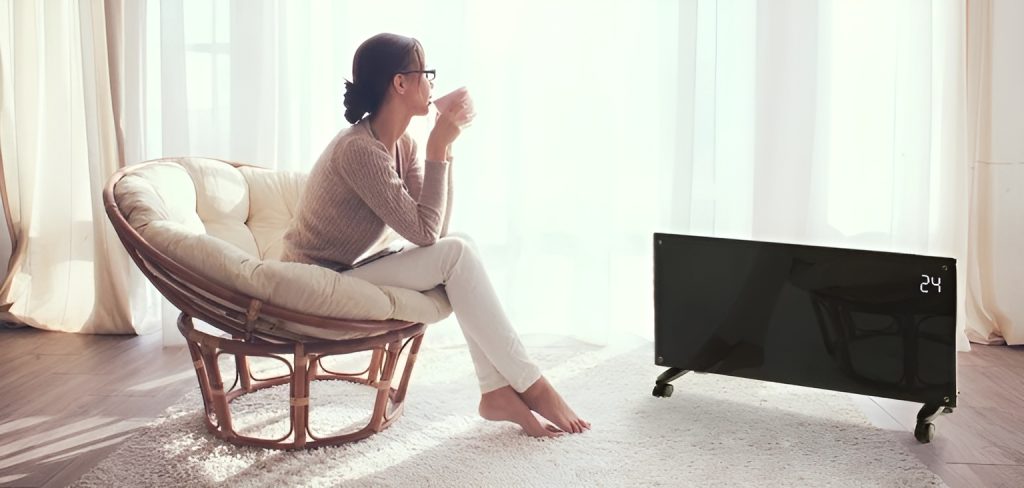
A poorly insulated house can be difficult and expensive to heat. Warm air escapes quickly, cold air enters through gaps, and dampness can make rooms feel colder than they really are.
The good news is that there are practical steps you can take to improve comfort. Some are simple changes that can be done straight away, while others involve longer term improvements such as insulation, draught stopping and better heating.
This guide explains how to keep a poorly insulated house warmer, reduce heat loss and create a healthier indoor environment.
Why Poorly Insulated Homes Feel Cold
Insulation works by slowing the movement of heat. Without enough insulation, warmth from heating systems escapes through the ceiling, walls, floors, windows and gaps around the home.
This means heaters have to work harder to maintain a comfortable temperature. In many homes, the room may feel warm while the heater is running, but quickly cool down once it is switched off.
Poor insulation can also contribute to condensation and dampness. Damp air is harder to heat, so a cold, poorly ventilated home can feel uncomfortable even when heating is being used.
EECA notes that insulation is one of the best steps for creating a warmer, drier and more energy efficient home because it reduces heat loss to the outside environment.
Start by Reducing Draughts
Draughts are one of the quickest ways for heat to escape from a home. Gaps around doors, windows, floors, fireplaces and ceiling spaces allow cold air to enter and warm air to leave.
Reducing draughts can make a noticeable difference, especially in older homes.
Common areas to check include:
- External doors
- Window frames
- Skirting boards
- Floorboards
- Unused fireplaces
- Ceiling hatches
- Gaps around pipes and cables
- Pet doors
- Wall vents that are no longer required
Draught stopping helps make a home easier to heat, more comfortable and more energy efficient. EECA recommends sealing unreasonable draughts to help create a healthier, drier home and reduce energy bills.
Simple products such as door seals, draught excluders, weather stripping and gap filler can help reduce unwanted air movement. Larger gaps or structural issues may need professional attention.
Use Curtains Properly
Windows are a common source of heat loss. Even in homes with curtains, warmth can escape if the curtains are too thin, too short or not fitted close enough to the wall.
Good curtains can help keep warm air inside the room and reduce cold air moving down from the glass.
For best results:
- Use thick curtains with a thermal lining
- Make sure curtains reach the floor or window sill
- Fit tracks close to the wall
- Close curtains before the temperature drops in the evening
- Open curtains during the day to let sunlight warm the room
- Use blinds and curtains together where possible
Building Performance guidance notes that curtains can be a cost effective way to improve window insulation and stop draughts, especially when they fit well and extend down to the floor.
Heat the Right Areas First
In a poorly insulated home, trying to heat every room at once can be expensive and ineffective. It is often better to focus on the areas that are used most.
Start with the main living area during the day and bedrooms before bedtime. Close doors to unused rooms so heat stays where it is needed.
This helps reduce energy waste and allows heaters to work more effectively.
Key steps include:
- Keep internal doors closed
- Heat smaller zones rather than the whole home
- Use timers to warm rooms before they are needed
- Avoid heating rooms that are empty for long periods
- Keep furniture away from heaters and heat pump airflow
Zoning is especially useful in older homes where insulation is limited or uneven.
Choose Efficient Heating
The type of heater used makes a major difference to comfort and running costs.
Heat pumps are one of the most efficient heating options because they move heat rather than generate it directly. They can provide fast, controlled heating and are often suitable for main living areas.
Panel heaters can also be useful in smaller rooms, particularly when installed with thermostatic controls and used correctly.
Portable plug-in heaters may help in the short term, but they are generally more expensive to run for the amount of heat they provide. Unflued gas heaters should be avoided in poorly ventilated homes, as they release moisture and pollutants into the indoor air.
Under Healthy Homes Standards, rental properties must have a fixed heating device in the main living room that can heat the room to at least 18°C. Panda Solutions notes that this heating device must also meet requirements for efficiency and affordability to run.
Keep Heat Pumps Working Efficiently
If the home has a heat pump, using it correctly can make a poorly insulated space more comfortable.
Set the temperature to a comfortable level rather than turning it up too high. A very high setting will not necessarily warm the room faster, but it can increase energy use.
For efficient use:
- Set a steady temperature
- Use the timer function
- Keep filters clean
- Make sure doors and windows are closed
- Avoid blocking airflow from the indoor unit
- Use heating mode rather than auto mode in winter
- Arrange regular servicing when needed
Panda Solutions installs energy efficient heat pumps and panel heaters from leading manufacturers, including options with programmable settings and thermostatic controls.
Manage Moisture and Condensation
A damp home feels colder and is harder to heat. Managing moisture is just as important as adding warmth.
Everyday activities such as cooking, showering, drying clothes indoors and breathing add moisture to the air. If that moisture is not removed, it can settle on cold surfaces and lead to condensation.
To reduce moisture inside your home:
- Use extractor fans in kitchens and bathrooms
- Open windows briefly to release moisture
- Dry clothes outside where possible
- Use lids on pots while cooking
- Wipe condensation from windows
- Avoid drying washing inside without ventilation
- Keep furniture slightly away from external walls
Ventilation must be balanced. The goal is to remove moisture without leaving windows open so long that the home becomes cold.
Healthy Homes Standards include minimum requirements for heating, insulation, ventilation, moisture ingress and drainage, and draught stopping in rental properties.
Check the Ceiling and Underfloor Insulation
Ceiling and underfloor areas are two of the most important places to insulate in an existing home.
Warm air rises, so poor ceiling insulation allows a large amount of heat to escape. Underfloor insulation helps reduce heat loss through timber floors and can make rooms feel noticeably warmer.
If insulation is old, thin, damaged, damp or missing, it may not be performing properly. In some homes, insulation may have been installed years ago but now needs topping up or replacing.
Panda Solutions provides retrofit insulation installation as well as ceiling, underfloor and wall insulation for residential properties. The company also installs ground moisture barriers, which can help reduce moisture coming from the subfloor.
Install a Ground Moisture Barrier
Homes with enclosed subfloor spaces can be affected by ground moisture. Moisture rising from the ground can increase dampness inside the home, making it feel colder and less comfortable.
A ground moisture barrier is installed over exposed ground beneath the house. It helps reduce moisture entering the subfloor space and supports a drier indoor environment.
This is especially important in homes with timber floors, poor ventilation or signs of dampness.
Ground moisture barriers are also part of the services Panda Solutions offers for homeowners, landlords and property managers.
Make Bedrooms Warmer at Night
Bedrooms can be difficult to keep warm, especially in homes with single glazing or limited insulation.
Start by reducing heat loss before bedtime. Close curtains early, shut bedroom doors and use safe, efficient heating to warm the room before sleeping.
Practical steps include:
- Use thermal curtains
- Close doors to retain warmth
- Use rugs on timber floors
- Keep beds away from cold external walls
- Use draught stoppers at doors
- Heat the room before bedtime rather than all night
- Use bedding suited to winter conditions
Avoid using unsafe heaters while sleeping. Heating should be fixed, stable, properly installed and suitable for the room.
Use Rugs and Soft Furnishings
Rugs, carpets and soft furnishings will not replace proper insulation, but they can help improve comfort in cold rooms.
Timber floors can feel cold underfoot, particularly where underfloor insulation is missing or ineffective. Large rugs can reduce the feeling of cold surfaces and make living areas and bedrooms more comfortable.
Soft furnishings such as curtains, cushions and upholstered furniture can also help a room feel warmer and more comfortable.
These are useful short term improvements while larger insulation or heating upgrades are being planned.
Improve Wall Insulation Where Possible
Wall insulation can make a significant difference, but it is often more difficult to retrofit than ceiling or underfloor insulation.
In some homes, wall insulation is installed during renovations when wall linings are removed. It can also be considered during extensions, recladding work or major upgrades.
Wall insulation helps reduce heat transfer through external walls and can improve acoustic comfort as well.
Where wall insulation is not immediately practical, focus first on the easier upgrades such as ceiling insulation, underfloor insulation, draught stopping, curtains and efficient heating.
Understand Healthy Homes Requirements
For rental properties, keeping a home warm is not only about comfort. There are also compliance requirements.
The Healthy Homes Standards set minimum standards for heating, insulation, ventilation, moisture ingress and drainage, and draught stopping in rental homes.
This means landlords need to ensure the property meets the required standards, including insulation and an appropriate fixed heater in the main living room.
Panda Solutions provides Healthy Homes Assessments, insulation installation, heating solutions and ground moisture barrier installation to help landlords and property managers meet their requirements.
Consider Long Term Upgrades
Short term steps can make a home more comfortable, but long term improvements will deliver the biggest results.
The most effective upgrades usually include:
- Ceiling insulation
- Underfloor insulation
- Wall insulation where practical
- Ground moisture barriers
- Draught stopping
- Efficient fixed heating
- Extractor fans
- Thermal curtains
- Window improvements
- Moisture control
These improvements work together. Insulation reduces heat loss, draught stopping keeps warm air inside, ventilation removes moisture, and efficient heating maintains a comfortable temperature.
EECA’s Warmer Kiwi Homes programme also provides grants for eligible households, covering part of the cost of approved insulation and heaters.
Long Term Benefits of a Warmer Home
Keeping a poorly insulated house warm is not only about comfort during winter. It can also improve the overall performance and health of the home.
A warmer, drier home can provide:
- Improved comfort
- Lower heating demand
- Reduced condensation
- Less dampness
- Better indoor air quality
- More efficient heating
- Greater protection for the building
- Improved living conditions
BRANZ notes that reducing moisture and improving insulation, ventilation and heating supports healthier homes and healthier people.
Work With Panda Solutions
At Panda Solutions, we help homeowners, landlords, property managers and builders create warmer, drier and more energy efficient homes.
Our team provides practical advice and professional installation across insulation, heating, Healthy Homes Assessments, ground moisture barriers, ventilation and property maintenance.
Whether your home is cold because of missing insulation, draughts, poor heating or dampness, we can assess what is needed and recommend the right solution.
Get in touch with Panda Solutions today to discuss your property and find the best way to make your home warmer and more comfortable.


